Why Is My Washer Not Draining? Find the Blockage Fast
Standing water in your washer usually means a clogged drain hose, a failed drain pump, or a blocked standpipe. Here’s how to diagnose it and when to call us.
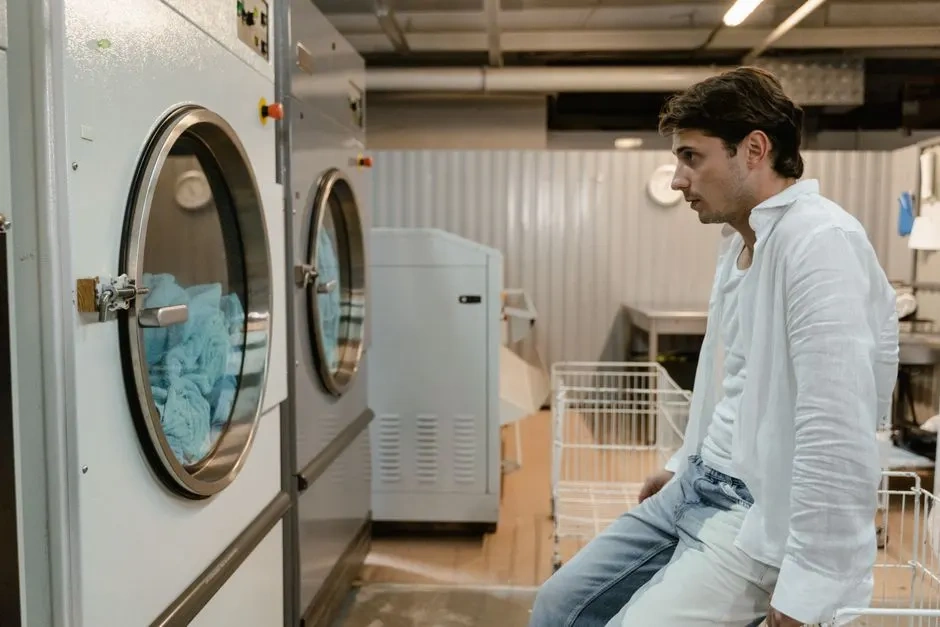
Your washer not draining is almost always caused by a clogged drain hose, a failed drain pump, or a blocked standpipe - and in most homes we service, it's the hose or the pump. The fix ranges from a five-minute hose clean-out to a same-day pump replacement. Below we walk through the six causes we see most often, the checks you can safely do yourself, and the point where calling a technician saves you money.
Why is my washer not draining? The short answer
A washer not draining is a drain-path failure: water can't move from the tub to the standpipe or laundry sink. That path has four parts - the tub, the drain hose, the pump, and the house drain - and any one of them can block it. Washer drain problem diagnosis starts by figuring out which part is failing.
If the tub is full and the machine won't spin or advance to the rinse cycle, the pressure switch or control board may think the tub is still full. If the tub drains slowly but never empties, you're looking at a partial clog. If it drains and then refills with dirty water, the standpipe itself is backed up.
We handle these calls every week across Los Angeles County, from 1960s ranch homes in Canoga Park with original galvanized drains to newer builds in Porter Ranch where the standpipe was undersized from day one. The house matters as much as the machine.
The 6 most common causes of a washer not draining
These are the causes we find on most drain calls. They're listed from most common to least.
1. Clogged drain hose
Lint, detergent residue, and small items (socks, hair ties, coins) collect in the corrugated section of the drain hose behind the machine. Over 12 to 24 months, that buildup narrows the hose to a trickle. This is the single most common reason a washer won't drain water.
2. Kinked or crushed drain hose
If the washer was pushed back too far against the wall, the hose can kink. Look behind the unit - if the hose has a sharp bend or is pinched between the machine and the wall, that's your problem. Straighten it and run a drain cycle.
3. Failed drain pump
The drain pump moves water out of the tub. When the impeller breaks, the motor burns out, or debris jams the impeller, the pump hums but doesn't move water. Drain pumps typically last 7 to 10 years. Replacement parts run $40 to $120; professional replacement is market repair of $150-$400, quote-based only, with a written quote before work starts.
4. Blocked standpipe or house drain
The standpipe is the vertical pipe the drain hose empties into. If it's partially clogged with lint and soap scum, water backs up and the washer sits in standing water. This is a plumbing issue, not an appliance issue - but it looks identical to a washer problem from the laundry room.
5. Clogged pump filter (front loaders)
Most front load washers have a small access panel at the bottom front. Behind it is a filter that traps coins, buttons, and lint. When it clogs, the washer won't drain. Cleaning it takes 10 minutes and is the first thing to check on a front loader.
6. Faulty lid switch or door lock
On top loaders, a bad lid switch tells the control board the lid is open, so the drain and spin cycles never start. On front loaders, a failed door lock does the same thing. If your washer fills and agitates but never drains, this is a strong candidate. We cover this in detail on our washer door lock repair California page.
How do I fix my washer not draining?
Start with the safest, cheapest checks and work toward the ones that require tools. Here's the order we recommend.
- Unplug the washer and shut off the water supply valves.
- Check the drain hose behind the machine for kinks, then disconnect it and inspect for clogs. A garden hose flush clears most blockages.
- Clean the pump filter if you have a front loader. Put a shallow pan and towels down first - a quart or two of water will come out.
- Test the standpipe by pouring a gallon of water down it. If it backs up, the clog is in the house drain, not the washer.
- Listen to the pump during a drain cycle. A loud hum with no water movement points to a failed pump.
If those five steps don't solve it, the issue is inside the machine - pump, pressure switch, control board, or wiring. That's the point where most homeowners stop. We don't blame you. Getting to the pump on a modern front loader means pulling the machine out, removing the back or bottom panel, and working around sharp sheet metal.
If you're seeing water on the floor while you're in there, that's a separate problem - our washing machine leaking California guide covers the seal and hose failures that cause it.
Front load vs. top load: different drain problems
Front load and top load washers fail in different ways, and knowing which one you have narrows the diagnosis fast.
Front load washer not draining reasons
Front loaders are prone to pump filter clogs, door lock failures, and drain pump wear. They also use less water per cycle, which means detergent residue concentrates in the drain path faster. If your front loader leaves standing water and won't spin, check the filter first, then the door lock, then the pump.
Top load washer not draining causes
Top loaders most often fail from lid switch problems, kinked drain hoses, and worn drain pumps. Older belt-driven models can also snap a pump belt. If your top loader fills and agitates but won't drain, the lid switch is the first thing to test with a multimeter.
We see both types across the San Fernando Valley and the Westside. Homes in Venice tend to have older top loaders paired with aging cast-iron drains, while newer construction in Porter Ranch is mostly front load machines on PVC. Different machines, different failure patterns.
Common mistakes to avoid
We've seen homeowners turn a small repair into a much costlier one by doing one of these.
- Running the washer again after it fails to drain. The pump keeps running dry, overheats, and burns out. Stop the cycle.
- Forcing the door open on a front loader with standing water. You'll flood the floor. Drain it first through the filter access.
- Using chemical drain cleaner in the standpipe. It can damage the washer's rubber hoses and the pump seals. Use a snake or call a pro.
- Ignoring a slow drain. A washer that drains in 90 seconds instead of 30 is already clogging. Fix it before it stops entirely.
- Replacing the pump without checking the hose. If the hose is clogged, the new pump will fail the same way within weeks.
One more: don't overload the machine. An overloaded drum puts extra strain on the pump and can leave water behind even when everything is working correctly.
When to call a professional
Call a technician when the drain hose is clear, the filter is clean, the standpipe flows freely, and the washer still won't drain. At that point the problem is inside the machine, and the diagnostic tools - multimeter, amp clamp, service manual - are what separate a guess from a fix.
We also recommend calling us if you see any of these:
- The washer hums loudly during the drain cycle but no water moves.
- Water backs up into the laundry sink or another drain in the house.
- The machine drains but then refills with dirty water.
- You've already replaced the drain hose and the problem came back within a month.
- The washer is more than 10 years old and this is the second drain issue this year.
California Washer Pros handles drain pump replacement, hose replacement, and full drain-path diagnosis. We carry common pumps for Whirlpool, LG, Samsung, GE, and Maytag on the truck, so most jobs are done in one visit. Our team also handles related failures - if your machine drains but won't spin, that's a separate repair covered on our washer spin cycle repair California page.
The most likely cause is a clogged drain hose or a failed drain pump - those two account for many of the drain calls we run. A blocked standpipe, a clogged front-load filter, or a bad lid switch cause most of the rest.
Unplug the machine, check the drain hose for kinks and clogs, clean the front-load pump filter, and test the standpipe with a gallon of water. If those four checks don't fix it, the pump or control board is the issue and needs a technician.
Six causes cover nearly every case: a clogged drain hose, a kinked hose, a failed drain pump, a blocked standpipe, a clogged pump filter on front loaders, and a faulty lid switch or door lock. Drain pumps typically fail between 7 and 10 years.
Yes, and usually the same day. A clogged hose clears with a flush or a new $15 hose. A clogged standpipe needs a drain snake. A clogged pump filter takes 10 minutes to clean. If the clog has damaged the pump, market repair is $150-$400, quote-based only, with a written quote before work starts; pump parts run $40 to $120.
If the water leaves but the drum won't spin, the drain path is fine and the problem is the lid switch, door lock, drive belt, or motor control. That's a different repair from a drain issue. We diagnose both in a single visit.