Top 5 washer repair tips every California homeowner should know
Five washer repair tips California homeowners actually use: level the machine, check the hoses, balance the load, clear the drain, and know when to call a pro.
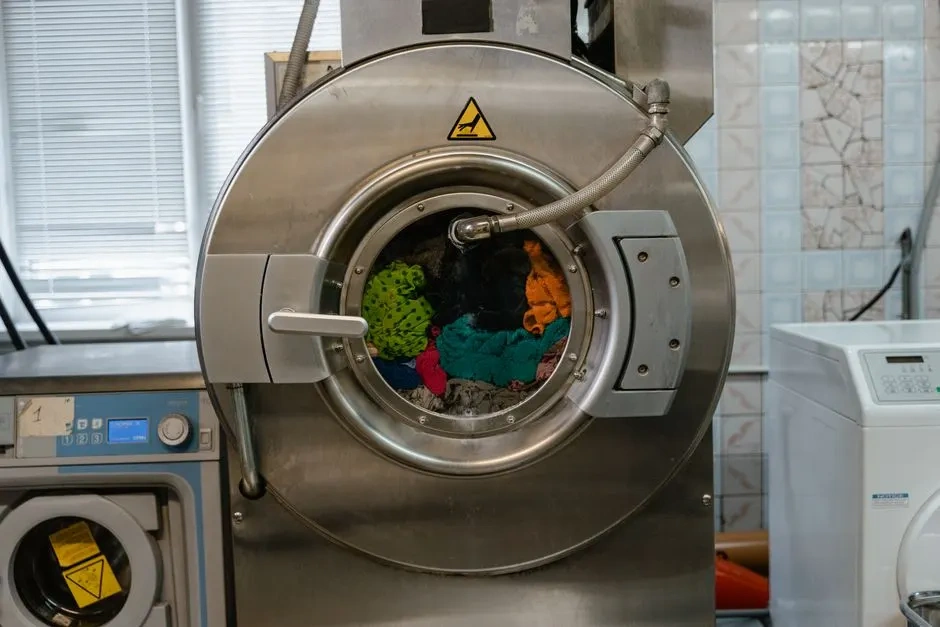
The five washer repair tips that save California homeowners the most money are: level the machine on a solid floor, inspect the inlet hoses and screens twice a year, load the drum loosely and evenly, keep the drain path clear of lint and detergent residue, and read the error code before you reset the machine. Those five habits prevent the majority of the drain, spin, and leak calls we run across Los Angeles County every week. Below, we walk through each one with the specific numbers, part names, and failure patterns we see in the field, plus the point where a DIY fix stops being worth your Saturday.
Washer repair tips California homeowners can act on are different from generic advice because our homes are different. Hard water, slab floors, tight laundry closets, and 100-degree summers all shorten the life of a washing machine. If you live in a 1960s ranch house in the Valley or a beach-adjacent condo in Venice, the failure pattern you will see is not the same as what a homeowner in Ohio sees.
Why Washers Fail Faster in California Homes
Washers in California fail faster than the national average because of three local conditions: hard water scaling, slab-on-grade vibration, and laundry closets with no ventilation.
Hard water is the big one. Most of the San Fernando Valley and much of the LA basin runs 8 to 15 grains per gallon of hardness. That calcium builds up on inlet screens, heater elements, and drain pumps. A machine that would last 12 years on soft water often starts throwing drain errors at year seven here.
Slab floors are the second factor. On a raised wood subfloor, a slightly off-balance load just thumps. On a slab, that same vibration transfers straight into the machine's suspension rods and eventually cracks the plastic tub support. We replace far more suspension rods in the Valley than our counterparts in the Midwest.
Ventilation is the third. A laundry closet with a closed door traps heat and moisture, which corrodes the door lock assembly and the control board connectors. If your closet has no louvered door and no exhaust, that is a five-year problem waiting to happen.
If you want a baseline for what a proper repair visit looks like, our Washer Repair in California service covers all five of the failure modes below, and we stock the common parts on the truck so most jobs finish in one trip.
Tip 1: Level the Machine Before You Blame the Drum
Leveling the washer is the single cheapest fix in this entire article, and it is the one most homeowners skip.
Put a 24-inch spirit level across the top of the machine, front to back and side to side. If the bubble is off by more than a quarter inch, adjust the front leveling feet with a 9/16-inch wrench. Lock the jam nuts when you are done. That is a 10-minute job.
What most people miss is the floor itself. On a slab, a 1/8-inch dip under one foot is enough to make a front-loader walk across the closet during a 1,200-RPM spin. Slide a piece of 3/4-inch plywood under the machine if the slab is uneven. It sounds crude. It works.
If the machine is level and still shaking hard, the suspension rods are worn. That is a real repair, not a tweak. Our Washer Suspension Rods repair in California page covers the symptoms and the fix, and it is one of the most common jobs we run in older Valley homes.
Tip 2: Inspect the Hoses and Inlet Screens Every Six Months
Inspect both inlet hoses and the mesh screens at the back of the machine every six months, and replace any hose that shows bulging, cracking, or a date stamp older than five years.
Rubber hoses are the number-one cause of catastrophic laundry room flooding. A burst hose can dump 50 to 100 gallons before you notice. Braided stainless hoses cost $15 to $25 at any hardware store and last 8 to 10 years. That is the cheapest insurance in your house.
The inlet screens are the other half of this. Pull the hoses off, and you will find a small mesh filter inside each inlet valve. In hard-water areas, that screen clogs with calcium in 12 to 18 months. A clogged screen drops fill pressure, which makes the machine time out and throw a fill error. Rinse the screens in white vinegar, scrub them with an old toothbrush, and put them back.
While you are back there, check the drain hose for kinks. A kinked drain hose is one of the most common reasons a machine stops draining mid-cycle, and it is a two-minute fix. If the hose is clear and the machine still will not drain, that points to the pump, and our Washer Drain Pump repair in California service handles that replacement in a single visit.
Tip 3: Load the Drum Like You Mean It
Load the drum loosely, mix large and small items, and never pack it past three-quarters full. That one habit prevents more off-balance and spin errors than any part replacement.
Here is the rule we give every customer:
- Fill the drum no more than 3/4 full. You should be able to press a hand flat on top of the load.
- Mix bulky items (towels, jeans) with small ones (socks, underwear). A load of nothing but heavy towels will always go off-balance.
- Wash a single large item like a comforter on its own cycle, not stuffed in with a normal load.
- Close zippers and hook bra clasps. Loose hardware tears drum fins and agitators.
If your machine is a top-loader with a central agitator and the clothes come out still dirty, the agitator dogs are stripped. That is a $15 part and a 20-minute job. Our Washer Agitator repair in California page shows the symptoms, and we keep the dogs on the truck for same-day fixes.
Tip 4: Keep the Drain Path Clear
Run a hot water and white vinegar cycle once a month to keep detergent residue and biofilm from building up in the drain path.
Use two cups of white vinegar in an empty drum on the hottest setting. Skip the fabric softener. Softener is the number-one cause of the gray sludge that clogs drain pumps and leaves that musty smell in the drum. If you want soft clothes, use wool dryer balls, not liquid softener.
Once a quarter, pull the drain hose out of the standpipe and check the standpipe itself for lint. In older homes, the standpipe can be partially blocked from years of lint and detergent. A $3 drain snake clears it.
If the machine drains slowly, gurgles, or leaves standing water in the drum, that is a drain problem, not a wash problem. Our Washer Not Draining repair in California service covers everything from a clogged standpipe to a failed pump, and we clear the line before we replace any part.
Tip 5: Read the Error Code Before You Reset Anything
Read the error code on the display before you unplug the machine, because the code tells the technician exactly which system failed.
Every modern washer stores a fault code. On a Whirlpool front-loader, an F21 means a drain timeout. On an LG, an OE means the same thing. On a Samsung, a 4E means a fill problem. If you unplug the machine and reset it, you wipe the code and the technician has to reproduce the failure, which takes longer and costs more.
Write the code down. Note what the machine was doing when it flashed. Then decide whether to reset.
If the door will not unlock after the cycle ends, that is a door lock failure, not a control board failure, in most cases. Our Washer Door Lock repair in California service replaces the lock assembly and tests the latch before we leave the driveway.
Common Mistakes California Homeowners Make With Washers
The most expensive washer mistake California homeowners make is ignoring a small leak until it becomes a floor repair.
A slow drip from the door seal or the drain hose connection can soak into a slab, a subfloor, or a baseboard for weeks before you notice. By then you are looking at mold remediation on top of the appliance repair. If you see water under the machine, stop using it and find the source.
Other mistakes we see constantly:
- Overloading the drum. It kills suspension rods, bearings, and belts. The machine is not a hamper.
- Using too much detergent. Two tablespoons of high-efficiency detergent is enough for a normal load. More detergent does not mean cleaner clothes; it means more residue in the pump.
- Ignoring a burning smell. That is usually a slipping belt or a failing motor coupling. It will not fix itself.
- Stacking the dryer on top of a shaking washer. If the washer vibrates, the dryer on top of it will too. Fix the washer first.
If you are seeing water on the floor, our Washer Leaking repair in California service is the fastest path to a dry laundry room. We pressure-test the inlet, the drain, and the door seal in one visit.
When to Call a Professional
Call a professional when the machine will not drain, will not spin, leaks from inside the cabinet, or throws the same error code twice in a row after a reset.
Those four symptoms point to parts that live behind the drum or under the cabinet: the drain pump, the suspension rods, the door lock, the control board, or the motor coupling. Replacing any of them means pulling the machine out, tipping it, and working around water and 120-volt connections. That is a job for someone with the right tools and the right parts on the truck.
We also see a lot of homeowners in the Valley and the Westside who try to fix a spin problem by replacing the control board. That is a $200 part that rarely fixes the issue. In most cases, the real problem is a suspension-rod set or a drain pump. Diagnosis matters more than parts.
If you are in the San Fernando Valley, we run same-day service across Washer Repair in Canoga Park and the surrounding neighborhoods, and we carry the common Whirlpool, LG, Samsung, and Maytag parts on the truck so most repairs finish in one trip.
Get Help With Washer Repair in California
If your washer is leaking, shaking, refusing to drain, or throwing the same error code twice, our team can diagnose it in one visit and fix it the same day in most cases. We work on Whirlpool, LG, Samsung, Maytag, GE, and Electrolux machines, and we carry the common parts on the truck.
Call California Washer Pros at (888) 593-1452. We will tell you upfront what the visit covers and what the likely fix is before we start.